Damota Wolayta Farmers’ Cooperative Union Limited Liability
ራዕይ
ዳሞታ የወላይታ ገ/ኅብረት ሥራ ዩኒየን በ2026 ዓ.ም ከዞናችን አልፎ በሀገር ደረጃ በግብርና ምርት እና ኢንዳስቲሪ ምርት ግብይት በመሳተፍና ሞዴል ኅብረት ሥራ ማኅበር በመሆን፣ የአባላትን ማኅበራዊና ኢኮኖሚያዊ ችግሮች በመፍታት የሁሉንም አባል መሠረታዊ ማህበራት አባል አ/አደር የምግብ ዋስትና ተረጋግጦ ማየት ነው፡፡
ተልዕኮ
ዩኒየኑበግብርና ምርት እና ኢንዳስቲሪ ምርት ግብይት፣ የግብዓት አቅርቦት፣ ወቅታዊ የገበያ መረጃ፣ ትምህርትና ስልጠ፣ ሜካናይዘሽን አገልግሎትና እንዲሁም ሌሎች አባላት የሚፈልጓቸውን አገልግሎቶች በመስጠት የአባላት ምርትና ምርታማነት እንዲጨምር በማድረግ እንዲሁም ድህነትን በመቀነስ የአባላትን የኑሮ ደረጃ ሊያሻሽሉ የሚችሉ ሥራዎችን ያከናውናል፡፡
Background
The Damota Wolayta Farmers’ Cooperative Union is a cooperative organization located in the Wolayta Zone of the South Ethiopia in Ethiopia.
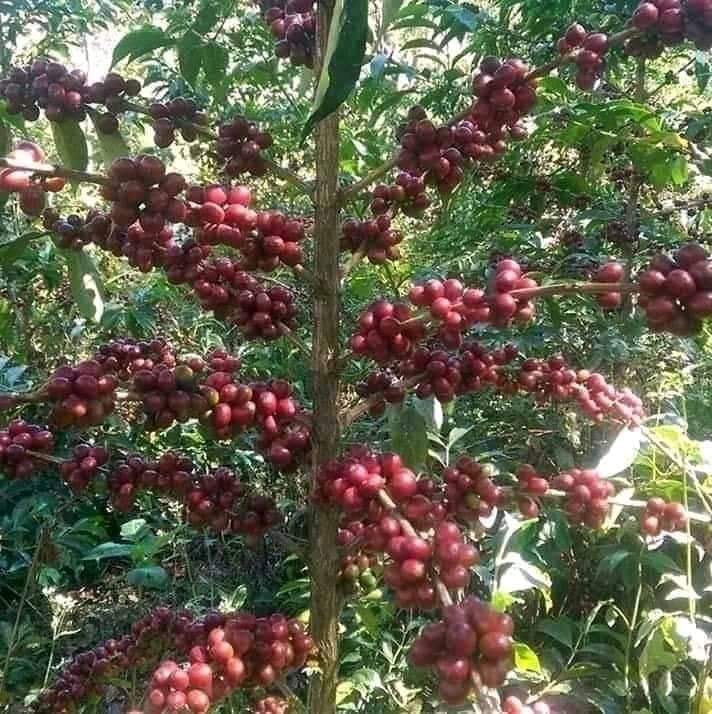
This region is known for its agricultural activities, with a significant focus on crops like maize, teff, coffee and various root crops such as sweet potatoes and enset.
Establishment and Purpose
The union was established to support smallholder farmers in the wolayta area by providing them with better access to markets improved agricultural inputs and services.
It aims to enhance the livelihoods of its members through collective action and bargaining power, enabling them to achieve better prices for their produce and reduce costs on inputs.
Impact and Challenges
The Damota Wolayta Farmers’ Cooperative Union has significantly impacted its members by improving their economic stability and resilience. However, the union faces challenges such as fluctuating market prices, limited access to finance and the need for better infrastructure and technology.
Government and Membership
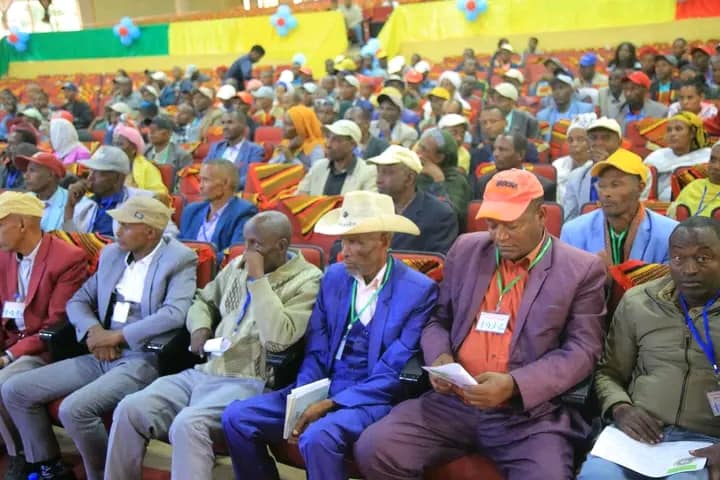
The union is typically governed by a board elected by its members. Membership is open to smallholder farmers in the wolayta zone who meet specific criteria. Members benefit from the collective services and support provided by the union, while also having a say in its governance and decision-making processes.
What we do

Marketing and Agricultural input
Coffee production and Export
Grain marketing and Export
Vegetables and fruit marketing

Input supply and marketing
Fertilizer supply and distribution
NPS, NPSB and Urea
Organic fertilizer

Improve seed production and supply
Grains
Vegetables
Fruits

Animal feed production and marketing
Animal fattering
Poultry
Milk Production
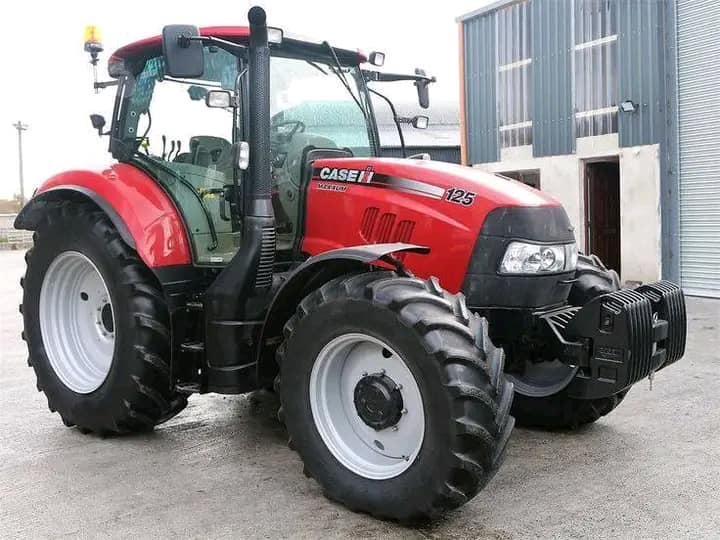
Agricultural Mechanization
Tractor rent Service
Farmer Training Service
Agricultural Machines maintenance service
Maize and taro production
seep production center

Poultry production and marketing
Egg production and marketing